How we reward behaviour at Loughborough

We promote positive behaviour that supports happy, safe and successful learning for all.

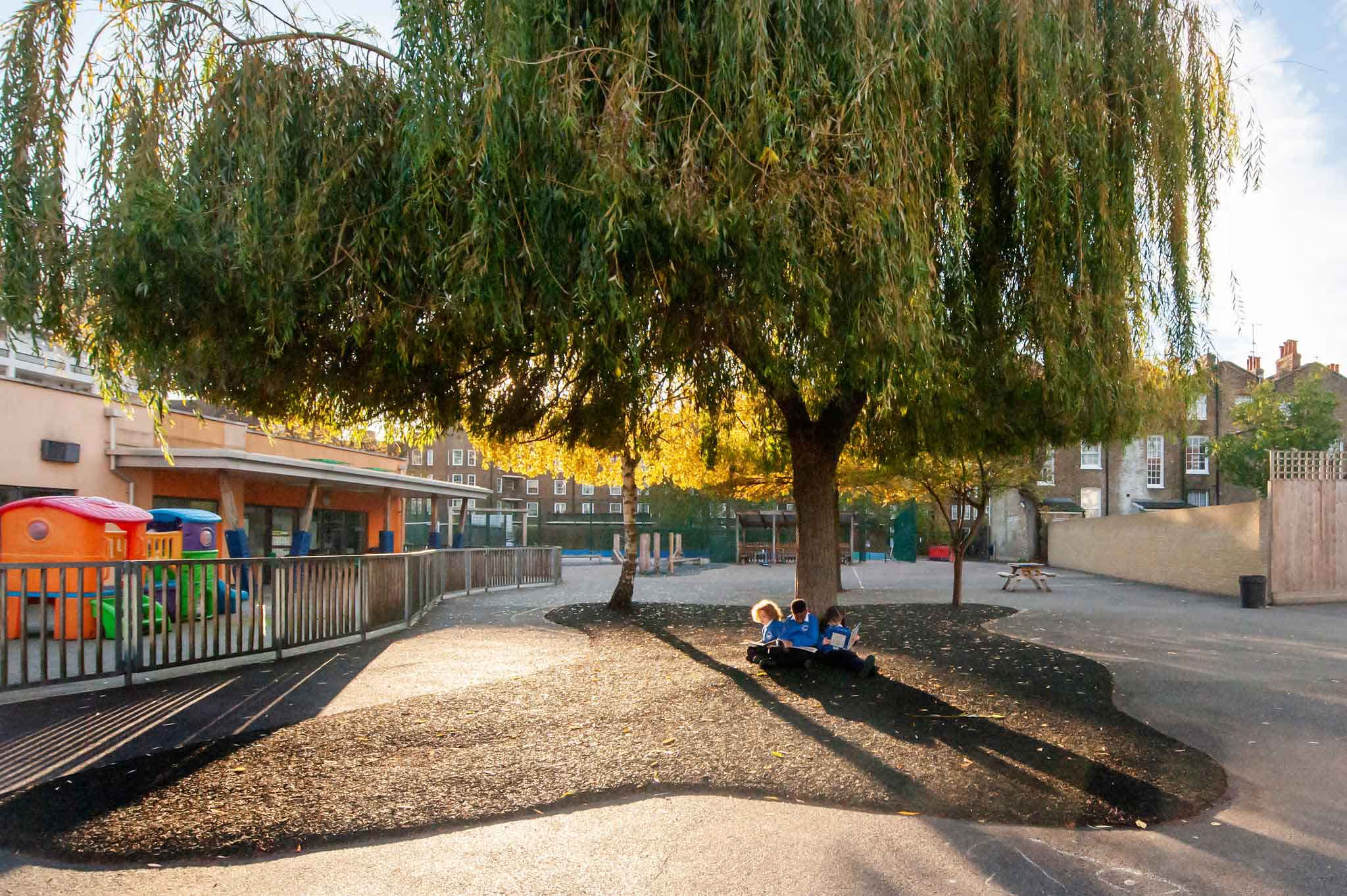
Three children in blue uniforms sitting under a large tree reading books in a school playground.

A positive approach to behaviour

At Loughborough, we believe that all behaviour is a form of communication.

Our approach seeks to understand what's behind a child's behaviour and respond with empathy, support and appropriate action.We use relational and restorative strategies as our first response - not punishment.

Clear routines, high expectations and consistent support help every child understand what's expected of them, take responsibility for their choices, and treat others with respect.


Our Values in action

We expect children to show respect, kindness and consideration towards others, and to act responsibly both inside and outside the classroom. Positive behaviour is celebrated through regular praise, rewards and recognition. When things go wrong, we use restorative conversations to help children reflect, repair and grow.

Our Approach

How we recognise positive behaviour

Good behaviour is consistently noticed and celebrated at Loughborough. This includes:

  • Weekly celebration assemblies, where children are recognised for living out school values, hard work and achievement
  • Certificates sent home to parents when children are recognised in assembly
  • Classroom reward systems - including stickers, house points, certificates and work displayed or shared with other adults in school
  • Music in the playground at the end of the week - a small ritual that marks a week well done
  • Every Friday, one child from each class is chosen to have hot chocolate with the Headteacher - a personal moment of recognition for the week's positive choices, effort and values

Our restorative approach

When things go wrong, our goal is not simply to apply consequences - it's to understand what happened, why it happened, and how we can repair relationships and move forward together.

Restorative conversations give children a voice, foster mutual respect, and help rebuild trust. They focus on questions like: what happened? How did it affect others? What could you have done differently? What do we need to do to put things right?

This approach supports children in developing emotional literacy, empathy and the skills to resolve conflict peacefully.

Managing behaviour

Where positive encouragement doesn't resolve a concern, we use a clear and consistent warning system - starting with a quiet reminder, moving to reflection time, and escalating to senior leadership only where necessary. At every stage, the focus is on reconnecting, repairing and restoring.

Where positive encouragement doesn't resolve a concern, we use a clear and consistent warning system - starting with a quiet reminder, moving to reflection time, and escalating to senior leadership only where necessary.

At every stage, the focus is on reconnecting, repairing and restoring.

For children who need more sustained support, we put in place a personalised behaviour plan with clear, achievable targets - developed with the child and in partnership with parents.

Suspensions are used only as a last resort, and only when other strategies have not been sufficient to keep everyone safe.

What we ask of parents

Behaviour at school and behaviour at home are never really separate.

We ask parents to:

Talk to your child about school as a place for learning, sharing and cooperating with others
Reinforce school expectations at home - if we send a positive message, celebrate it together
Speak to the class teacher directly if you have a concern, rather than in front of your child
Make sure your child arrives on time, well-rested and ready to learn
Let us know if something at home might be affecting your child's behaviour at school